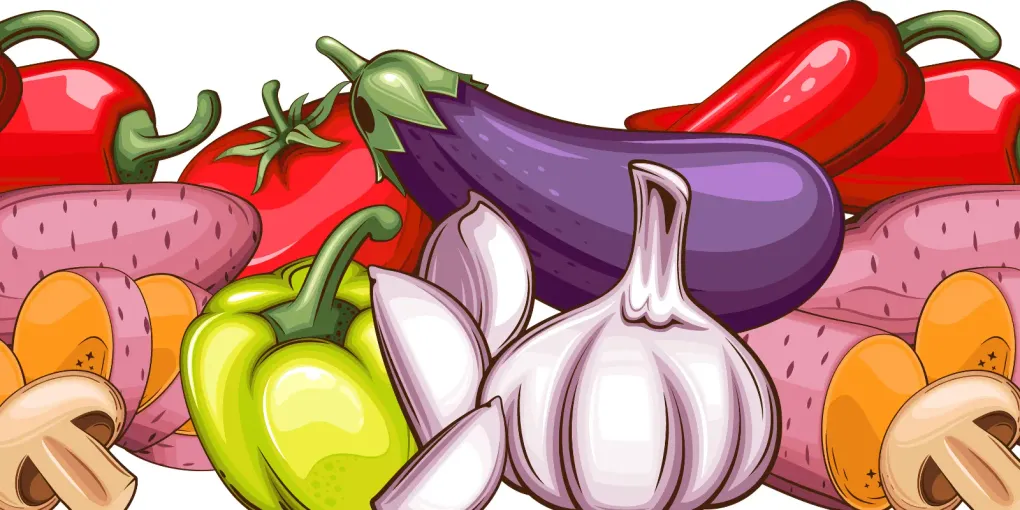
Vegan Kitchen Essentials
Most vegan cooking problems are stocking problems. When the right handful of tools and ingredients is already in the kitchen, a recipe becomes a thirty-minute job instead of a shopping trip. This is the short list worth owning.
Two Tools That Do The Heavy Lifting
A power blender is the single most useful thing in a vegan kitchen. Cashew cream, silky cheese sauces, whipped tofu, smoothies, and soups all depend on a motor strong enough to leave no grit behind. A weaker machine will make a passable soup, but it will never make a smooth cheese.
A whisk covers the rest. Chickpea-flour batters, cornstarch slurries, dressings, and plant-milk béchamels all need something that breaks lumps quickly. It costs almost nothing and saves nearly every sauce.
The Protein Shelf
- Tofu — firm for scrambles, cutlets, and roasting; silken for creams, mousses, and dressings.
- Tempeh — fermented, nutty, and firm enough to slice into bacon strips or crumble into a ragù.
- Dehydrated soy (TVP) — dry granules and chunks that keep for months and rehydrate into mince or stew meat in minutes.
- Canned beans — keep several kinds: chickpeas, cannellini, black beans, kidney beans, lentils. They are the fastest route to a finished meal.
Flours, Starches, And Grains
- Chickpea flour — the backbone of vegan omelettes, frittatas, panelle, and egg-free batters. It sets when it cooks, which is exactly what eggs used to do.
- Cornstarch — thickens sauces, makes plant cheese stretchy, and gives fried coatings their crunch.
- Wheat flour — bread, pasta, roux, pastry, and seitan.
- Oats — breakfast, but also blended into milk, binders for burgers, and crumbles.
The Flavour Builders
This is where vegan food stops tasting like a substitution and starts tasting like a dish.
- Soy sauce — salt plus savoury depth in one bottle.
- Kala namak — sulphurous black salt that tastes like egg yolk. Essential for scrambles and omelettes; add it off the heat.
- Liquid smoke — a few drops give bacon, ham, and barbecue notes that no spice can fake.
- Turmeric — colour first, warmth second. It is what makes tofu look like egg.
- Cumin — earthy and grounding in beans, stews, and anything roasted.
- Black pepper — freshly ground, and generous. It carries the classics like a vegan carbonara.
- Nutmeg — a scrape in white sauces, spinach, and creamy fillings.
- Garlic powder — for dry rubs and batters, where fresh garlic would burn.
The Fresh Basics
- Onions and fresh garlic — the base of almost every savoury thing you will cook.
- Lemons — acid brightens plant food more reliably than vinegar, and the zest costs nothing extra.
- Fruit and vegetables — whatever is in season. Everything above exists to make these taste better.
Fats, Milks, And Sweetness
- Olive oil — a decent everyday bottle for cooking and a better one for finishing.
- Plant milk — unsweetened soy or oat for savoury cooking, since sweetened milks quietly ruin sauces.
- Nuts — cashews for cream, almonds for ricotta and parmesan, walnuts for texture in ragù.
- Peanut butter — satay, noodle sauces, stews, and breakfast.
- Maple syrup or agave — liquid sweetness that dissolves into dressings and marinades.
- Sugar — for baking and for balancing acidity in tomato sauces.
Where To Start
If you buy nothing else this week: a blender, a whisk, tofu, chickpea flour, soy sauce, kala namak, turmeric, and a few cans of beans. That is enough for scrambles, omelettes, creamy pasta, and a stew, which is most of a working week.
— Vegan Hacks
You Might Also Like
 Breakfast Easy
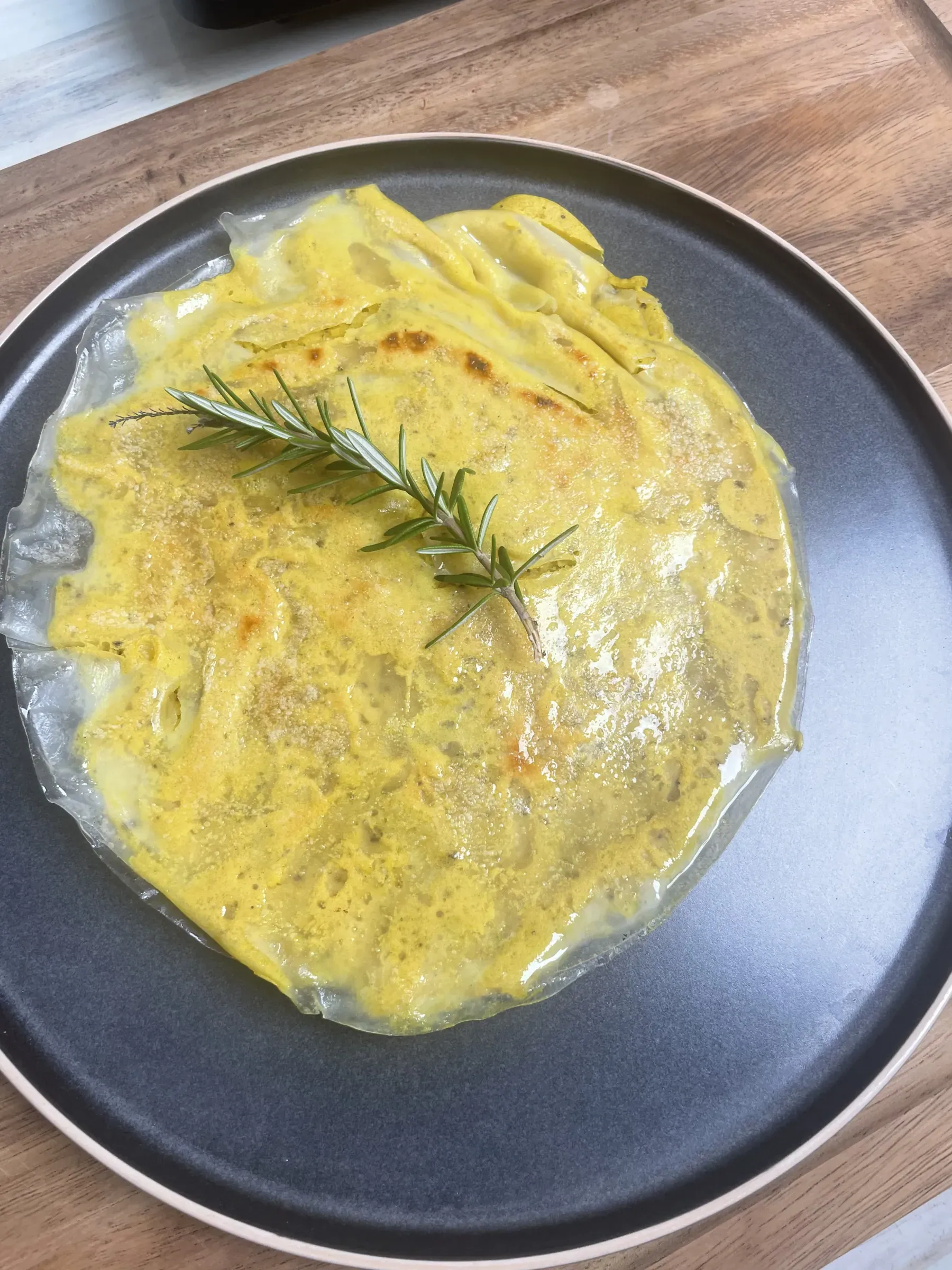
 Crispy Chickpea Vegan Omelette
A golden, protein-packed vegan omelette made from rested chickpea batter crisped between two delicate rice paper sheets.
Let's cook!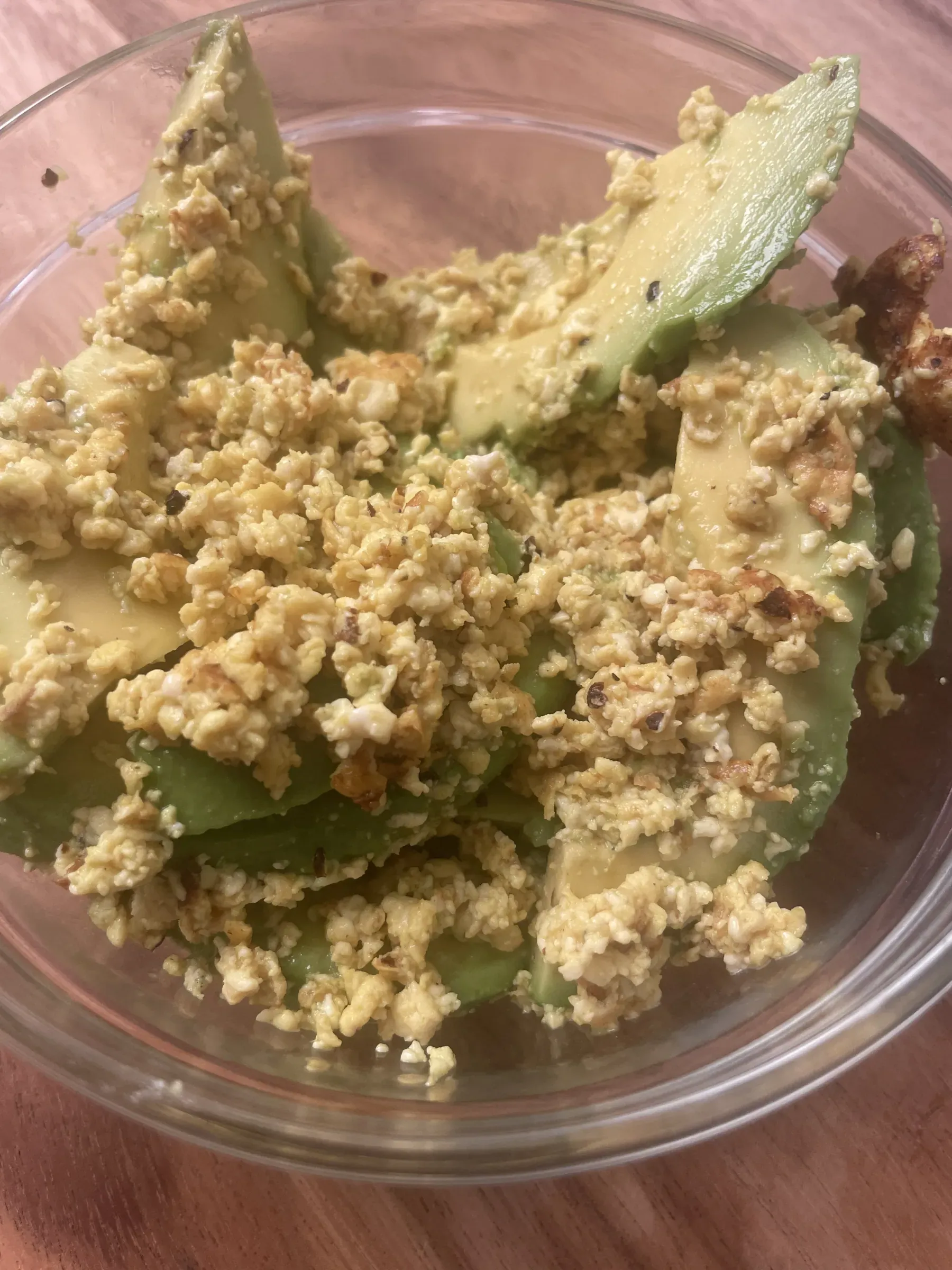 Breakfast Easy
 Scrumble vEGGS: Creamy Tofu Scramble
A velvety vegan tofu scramble with a slow-cooked vegetable soffritto, golden turmeric, and kala namak for that authentic eggy aroma.
Let's cook!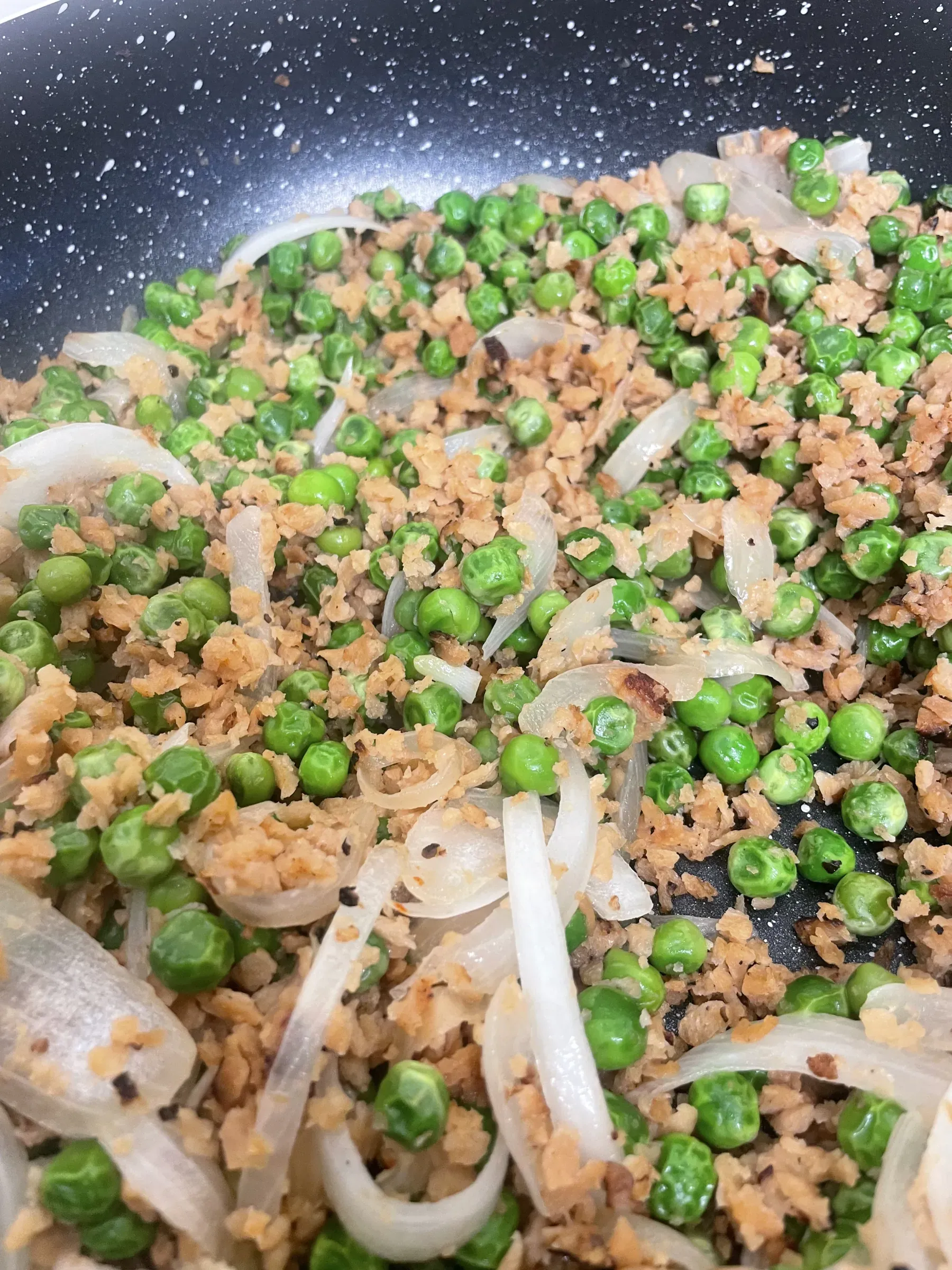 Main Dishes Easy
 Vegan Soy Mince and Sweet Peas
A comforting Italian home-style skillet dish of tender rehydrated soy mince and sweet green peas braised with caramelized onions and olive oil.
Let's cook!